

The short answer is yes. Building your own tiny house can be significantly cheaper than buying one that’s already completed. Based on our experience, you can potentially save 50% or more by building it yourself rather than hiring a professional builder. And I’m not just throwing that number out there. We’ve been building tiny houses and helping customers build their own since 2014. We’ve built our own tiny house, lived in it for over 11 years, and worked with hundreds of customers who have taken different approaches to building their homes.
One thing we’ve learned is that building your own tiny house doesn’t necessarily mean doing every single part of the construction yourself. You can hire professionals for certain aspects, tackle the projects you’re comfortable with, and still save a substantial amount of money. But the savings go beyond just labor. When you’re building your own tiny house, you have much more control over your materials, design decisions, and overall budget.
Let’s look at some actual numbers from our experience and where I think you can save the most money.
How Much Money Can You Save Building Your Own Tiny House?
When my wife and I built our first tiny house in 2014, which we called the Entertaining Abode, we spent approximately $45,000 on materials. At the time, having a professional tiny house builder construct something comparable would have cost us somewhere between $120,000 and $150,000.
That’s a pretty significant difference, and it’s one of the reasons we decided to build it ourselves. There was no other option. Of course, we invested our own time and labor into the project, plus that of many very gracious friends with skills, but we were able to build a home that would have otherwise cost us considerably more money.
Another Example From a Tiny House We Built in 2019
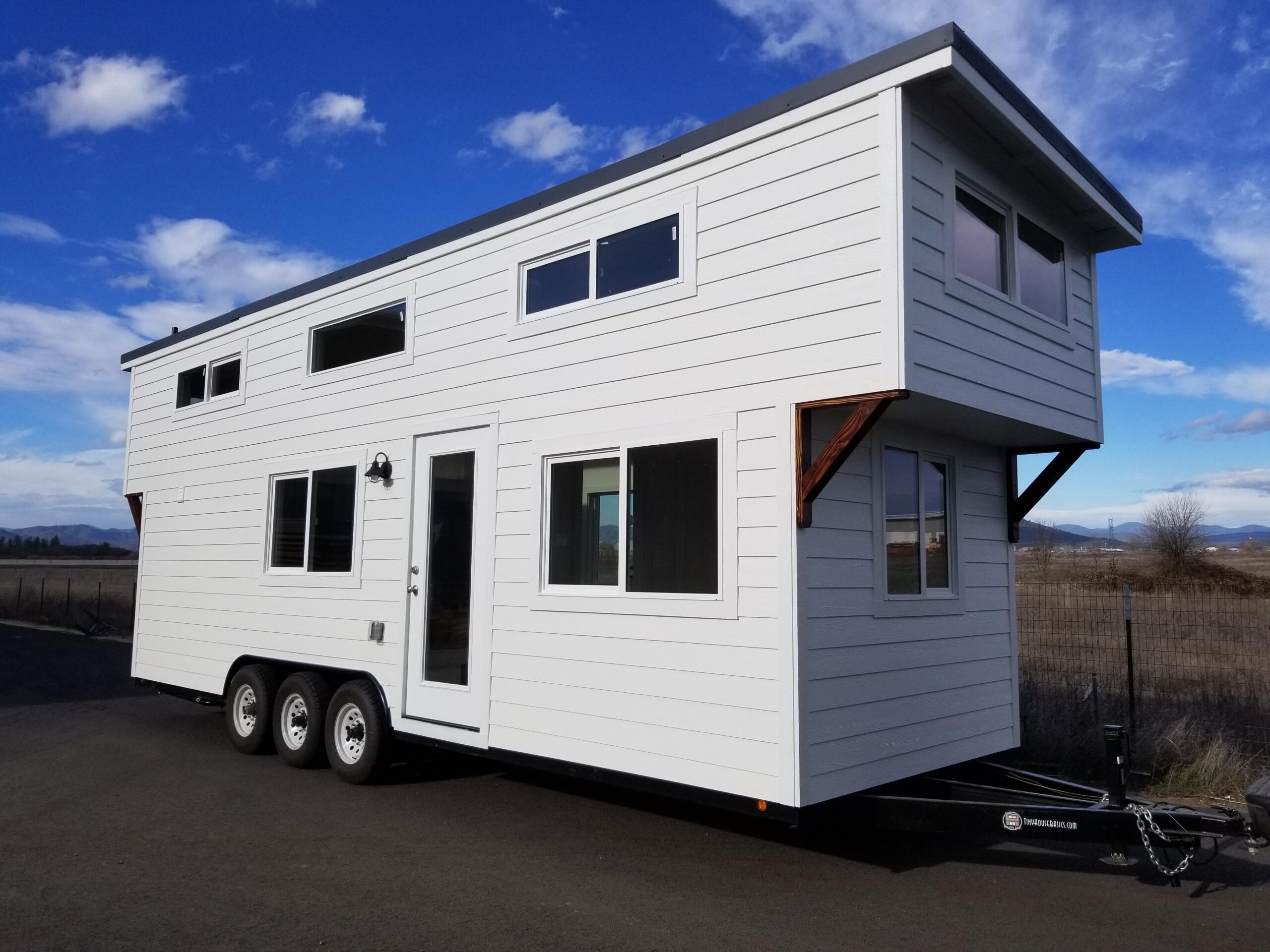
In 2019, we had the opportunity to build another tiny house based on our original Entertaining Abode design. For this particular project, I kept track of the material costs, including the tiny house trailer foundation. The total cost of materials was approximately $47,000. The customer ultimately paid around $105,000 for the completely finished tiny house. That means approximately $58,000 of the total price went toward labor, overhead, and the other costs associated with having a professional builder construct the home.
The materials accounted for roughly 45% of the completed price. These are historical prices from 2014 and 2019, not what you should expect to pay today. However, the relationship between materials and professional construction costs is what is interesting. Throughout our experience, we’ve found that materials can account for roughly half the cost of a professionally built tiny house, with labor and other business expenses accounting for much of the remaining cost.
Every build is different, but this gives you an idea of how much you could save by building it yourself.
Why Building Your Own Tiny House Is So Much Cheaper
The biggest savings come from eliminating or reducing labor costs. When you hire a professional tiny house builder, you’re not just paying for the materials and the hours someone spends building your house. You’re also paying for their employees, insurance, shop space, equipment, overhead, and all the other expenses associated with operating a construction business. Those costs add up quickly, but something that people don’t always consider is how much additional money they can save simply by controlling the purchasing decisions. When you build your own tiny house, you can shop around for better deals on materials. You can look for discounted windows, doors, appliances, flooring, and other building supplies.
You can also incorporate reclaimed materials or materials you’ve found at a discount. Maybe you come across a great deal on a particular window supplier. Instead of having to go through a builder and potentially pay for a change order, you can make that decision yourself. You can adjust your design, select different materials, and make decisions as you go.
That flexibility is one of the biggest advantages of building yourself and unlike having a professional builder construct your home, you aren’t paying someone for every hour spent making those decisions or installing those materials. We all know that online shopping can be very time consuming, so thats another avenue you can use to save overall costs by finding the best deal.
Building It Yourself Doesn’t Mean Doing Everything Yourself
This is something I really want to emphasize because I think a lot of people get intimidated by the idea of building their own tiny house. You don’t need to know how to do everything. You also don’t need to be a professional carpenter, electrician, or plumber to manage your own tiny house build.
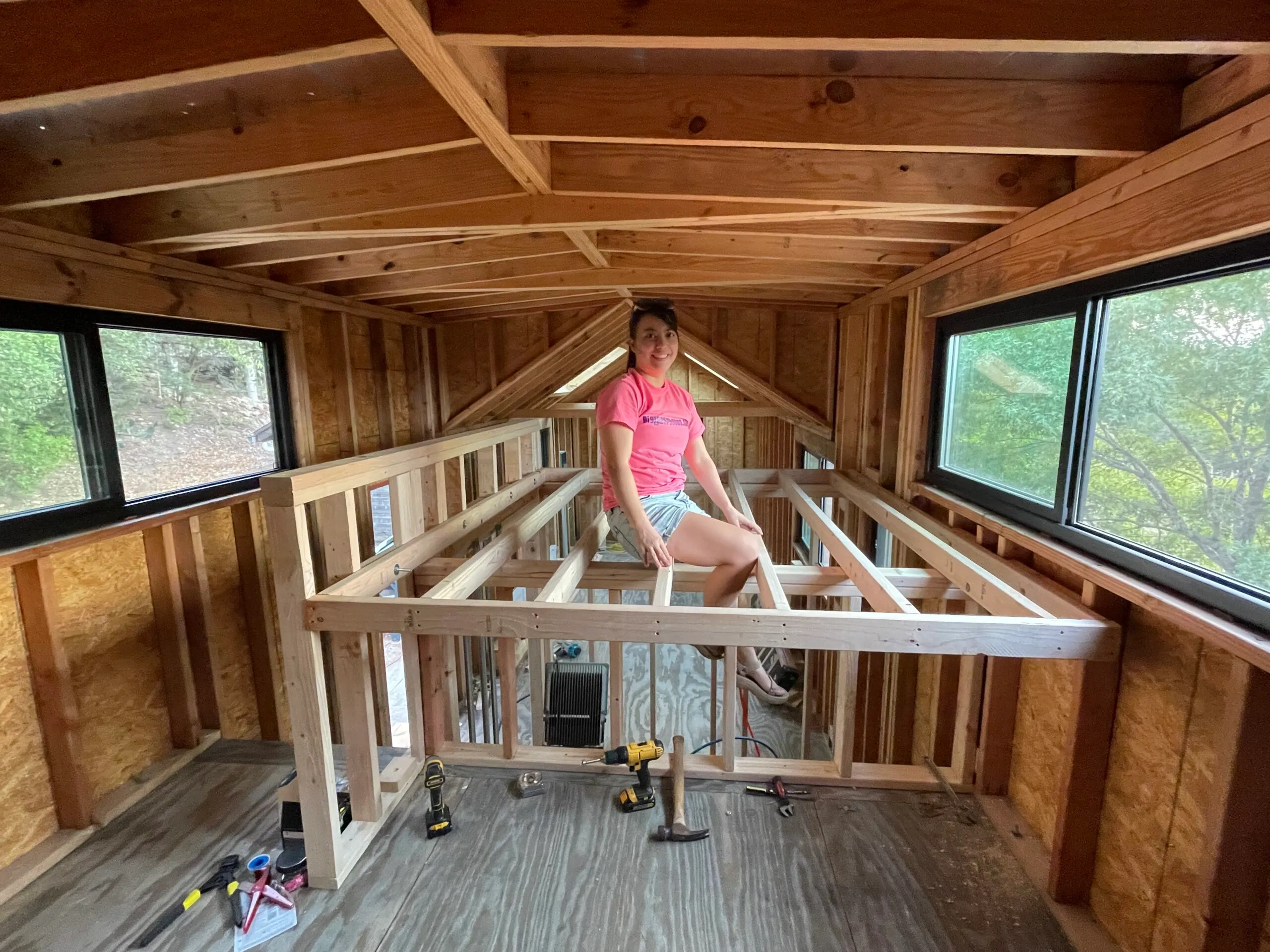
Maybe you’re comfortable doing the framing but don’t want to handle the electrical work. Hire an electrician. Maybe you can do some of the plumbing yourself, such as installing the drain and waste lines, but would rather have a professional handle the water supply lines. You can do that too, provided the work complies with applicable codes which is another good reason to do a NOAH CERTIFICATION for your build.
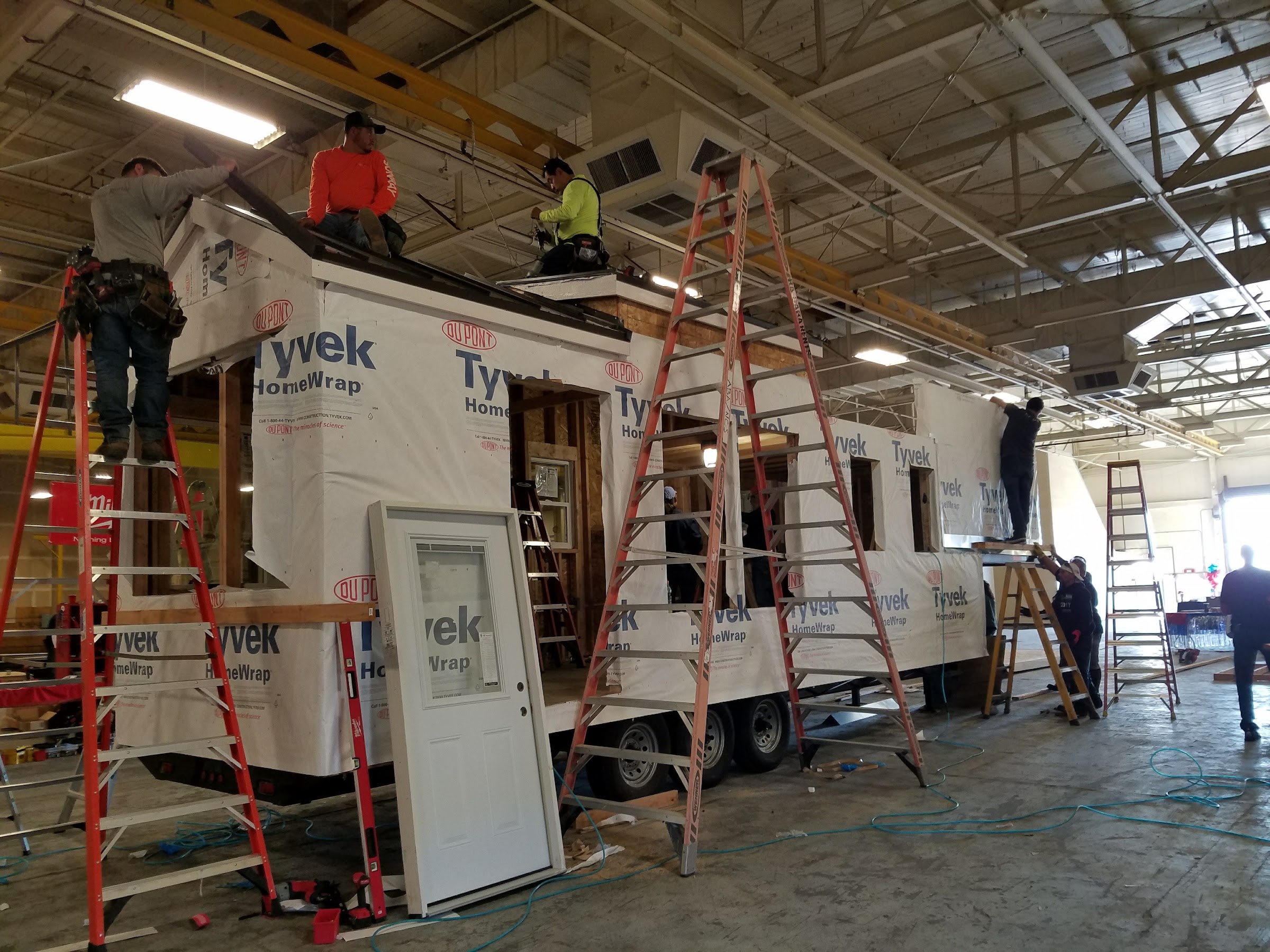
You can even hire a framing contractor to construct the structure and take over the project from there. There’s no requirement that a DIY tiny house has to be built entirely by one person. In fact, one of the smartest ways to approach a build is to figure out which parts you can realistically handle yourself and which parts make more sense to hire out. You can essentially act as your own general contractor, hiring individual trades for different portions of the construction. You’re still managing the project, choosing the materials, and controlling the budget.
And you will save a substantial amount of money compared to purchasing a completely finished tiny house.
Where Can You Save the Most Money Building a Tiny House?
One area where I think people can save a tremendous amount of money is the interior finish work. I’m talking about things like:
– Installing baseboards and interior trim
– Installing window and door trim
– Painting walls and ceilings
– Installing flooring
– Assembling and installing cabinets
– Installing interior doors and hardware
– Completing other interior finishing details
These are all things that can be incredibly labor-intensive, but the materials themselves are often relatively inexpensive. We’ve experienced this firsthand when building tiny house shells and completing homes for customers. The structural portion of a tiny house can come together relatively quickly when you have an experienced crew. But all those finishing details can take a lot of time. And when you’re paying a professional builder for that time, the costs add up. The good news is that much of this work can be learned, even if you don’t have much construction experience. You don’t necessarily need to be a professional finish carpenter to install baseboards or window trim or paint them after they are done.
You might not get everything right the first time, but you learn by doing, that is my personal saying, i love to learn by doing. Another example is cabinetry. Instead of having expensive custom cabinets built, you can purchase ready-made cabinets and install them yourself. We did this in our latest tiny house, we got the Ready to Assemble Cabinets from Home Depot at a fraction of the cost of doing custom.
You can still end up with a really nice kitchen without spending a fortune. While we did the cabinets ourselves, we did hire a professional to do the countertops. These are areas where you can reduce construction costs without necessarily sacrificing the functionality or overall appearance of your finished home.
What About Buying a Tiny House Shell?
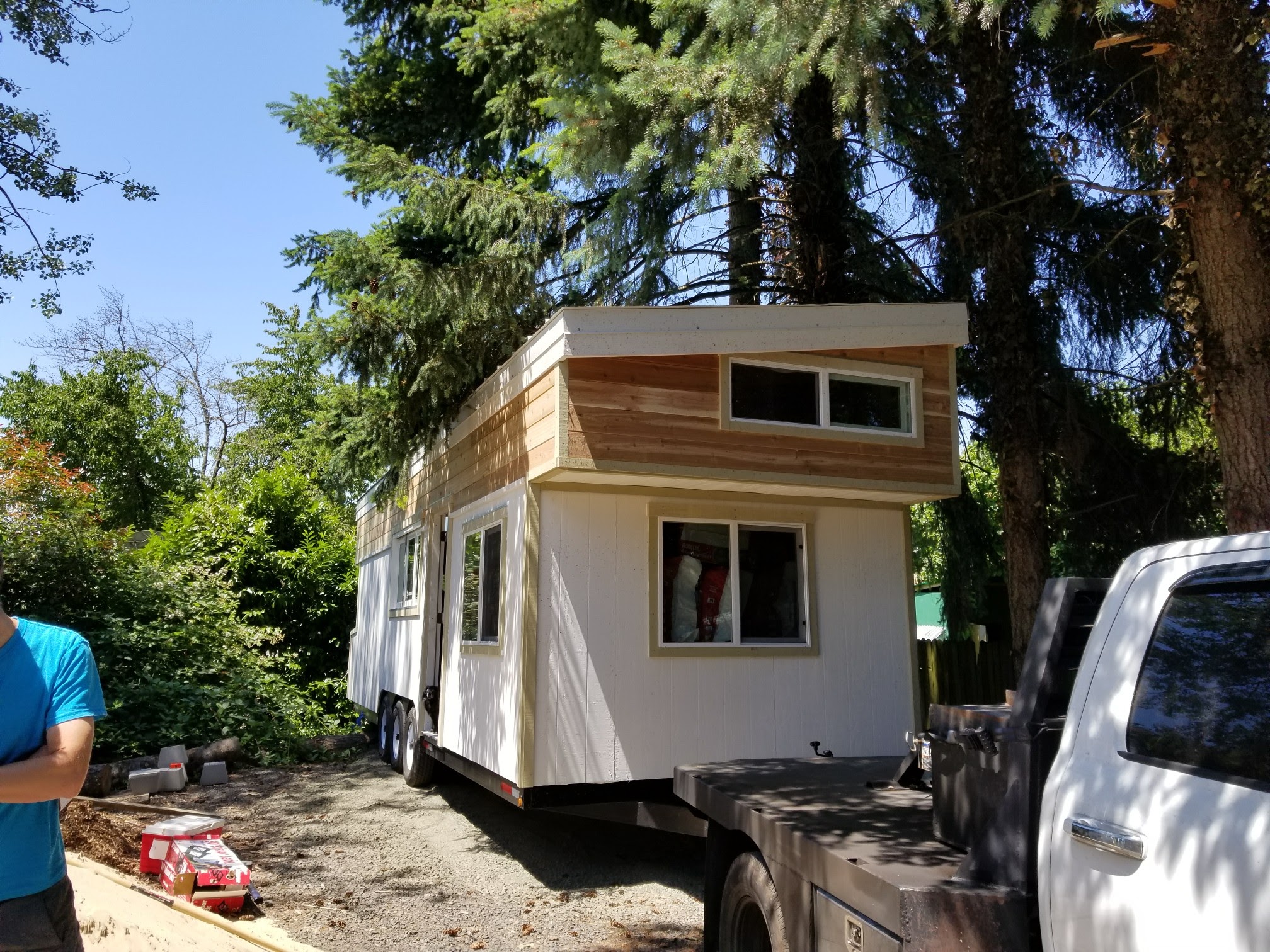
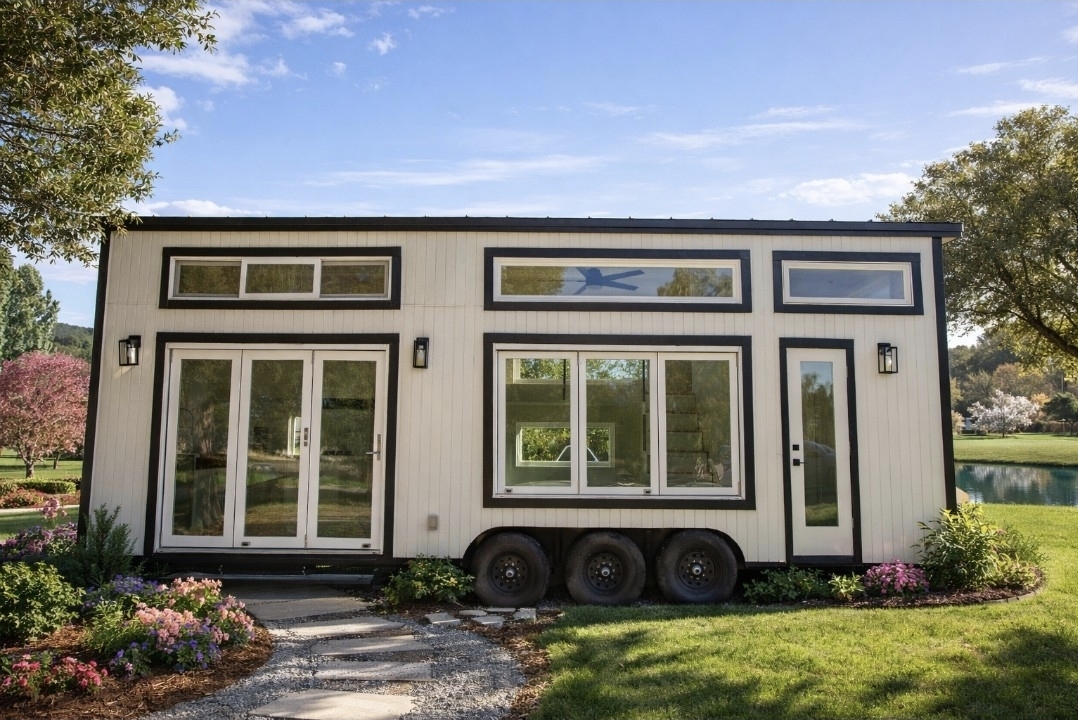
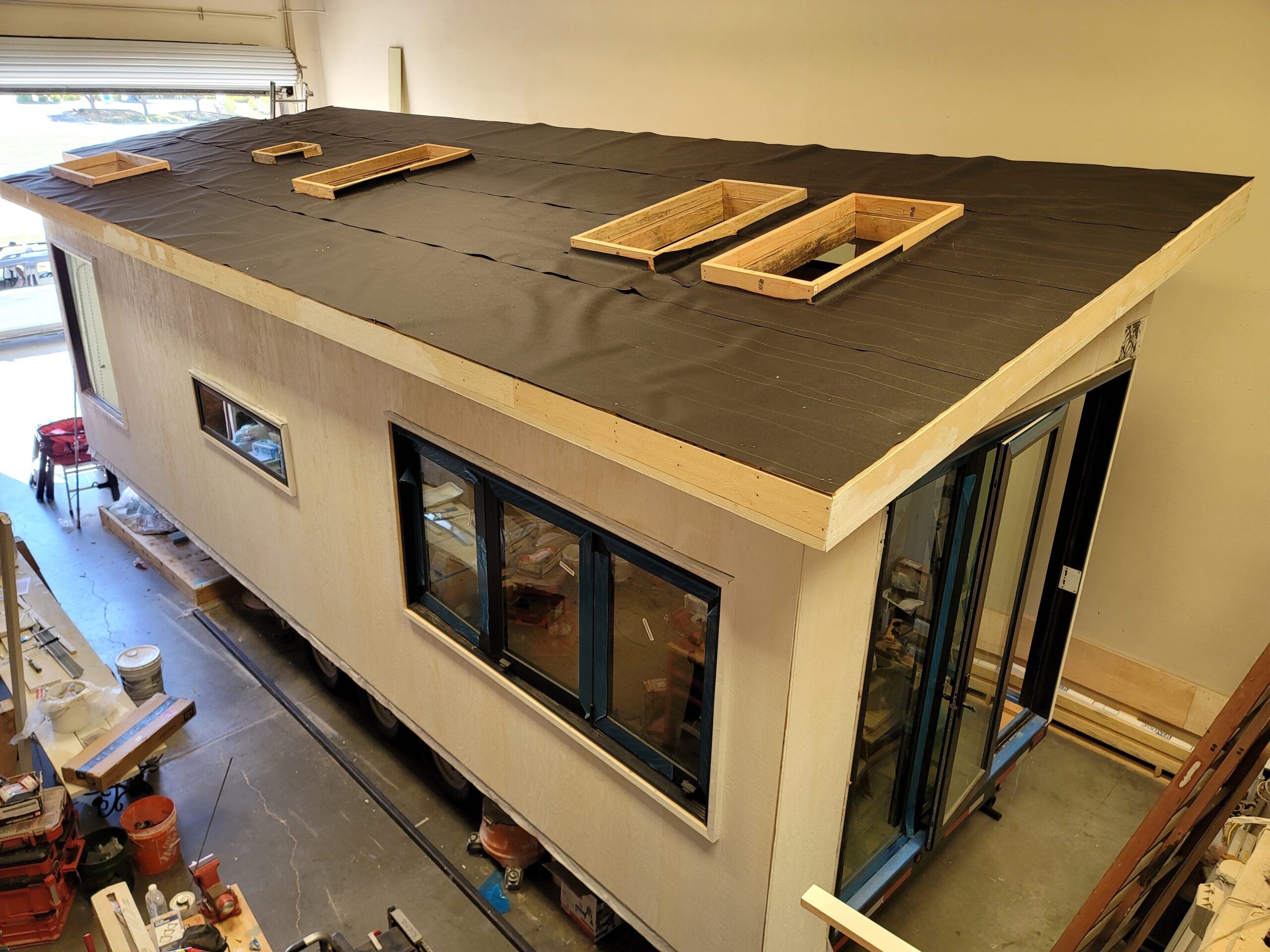
A tiny house shell can be a really good middle ground between building everything yourself and purchasing a completely finished tiny house. With a shell, you’re paying someone to construct the main structure of your home. Depending on what’s included, that could mean receiving a weather-tight tiny house with the framing, roofing, siding, windows, and exterior doors already installed. You then take over the project and finish the interior yourself.
Of course, you’re still paying someone for a substantial portion of the labor, so it’s going to cost more than starting completely from scratch. But it can save you a tremendous amount of time. And because so much of the interior finishing work is labor-intensive, you still have opportunities to save money.
Who Should Consider a Tiny House Shell?
This really comes down to how much time you have and how comfortable you are with construction. If you have plenty of time, some construction knowledge, or friends and family willing to help, building from scratch will generally give you the greatest opportunity to save money. But if you’re working full-time, have limited help, or aren’t comfortable taking on the structural construction, a shell can be a great option. You get a significant head start on your project without having to pay someone to complete every last detail.
We’ve worked with customers who have taken both approaches, and there’s no single solution that works for everybody. You might even start your tiny house as a DIY project and later hire someone for certain parts. Everyone has different needs and desires. Only you can decide what’s the best fit for you.
Ultimately, if you have more time than money, building yourself probably makes the most sense. If you have more money than time, having a professional builder complete the house may be a better option.
And if you’re somewhere in the middle, a shell or a combination of DIY work and hired contractors can be a good compromise.
The Hidden Costs of Building Your Own Tiny House
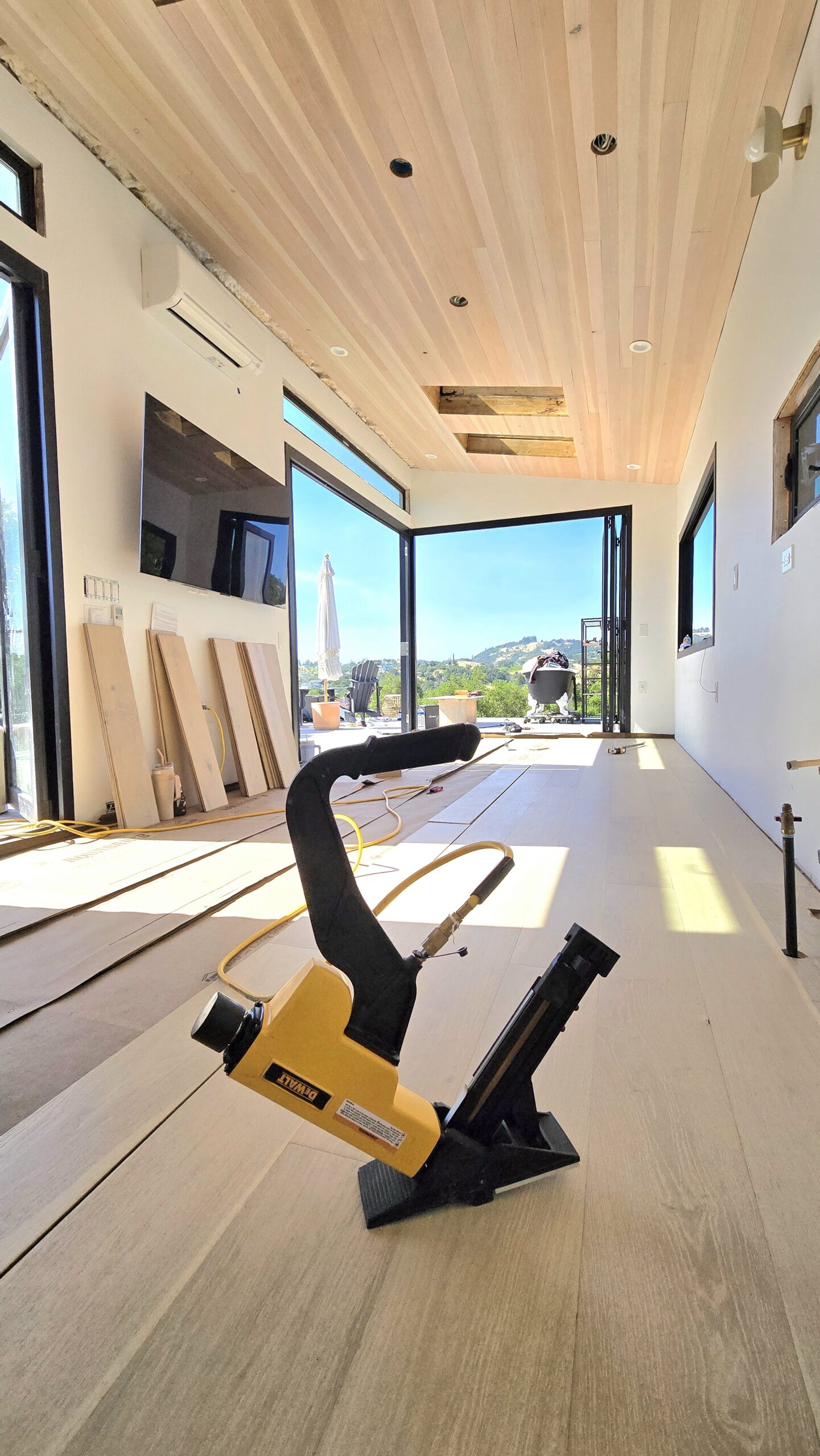
While building yourself can save a lot of money, there are some costs that DIY builders tend to underestimate. One of the biggest is all the little stuff. Fasteners, adhesives, brackets, screws, extra tools, and those seemingly endless trips to the hardware store can add up fast. Another expense is wasted materials. When we create custom tiny house plans for customers, we can include a material list. But that list isn’t an exact science. Everybody cuts and uses materials differently. Someone with a lot of construction experience might get more usable pieces out of a sheet of plywood or a length of lumber than someone building for the first time. And mistakes happen, You might cut something incorrectly or decide to change part of the design after you’ve already purchased materials.
That’s just part of the building and learning process. Having the right tools can also make a big difference, Sometimes buying or renting a specialized tool will save you more money in time and wasted materials than the tool itself costs. I also encourage anyone planning a DIY build to think realistically about how much time they have. If you’re working a full-time job and can only build on weekends, your project could take considerably longer than you originally anticipated. But on that note, this is a very common approach, So many of our DIY customers only can build on the weekends and ive heard from countless folks that they work hard on the weekend and they get that full reset during the week to reflect and plan for the following works days on their builds.
Don’t Make the Mistake of Buying Everything Based on Price
One mistake I see people make is focusing too much on getting the cheapest possible materials or equipment. I understand wanting to save money. That’s a big reason people decide to build their own tiny house in the first place. But cheaper isn’t always better, especially when it comes to things that are difficult to replace or need to function reliably for years. A good example is your water heater, You might be comparing a $300 water heater with a $700 water heater. The $300 option obviously looks more appealing if you’re trying to stay within a budget. But what if the more expensive water heater is more efficient, uses less propane, has readily available replacement parts, and can be repaired instead of replaced?
Over the life of the appliance, that $700 water heater could actually save you money. We’ve learned that it’s important to look beyond the initial purchase price and consider the lifespan, efficiency, and serviceability of the products you’re installing. We personally have had this exact experience with a water heater!
I’m not suggesting you need to purchase the most expensive version of everything, But I do think it’s good to be selective about where you spend your money.
Why Your Tiny House Trailer Is One of the Most Important Investments
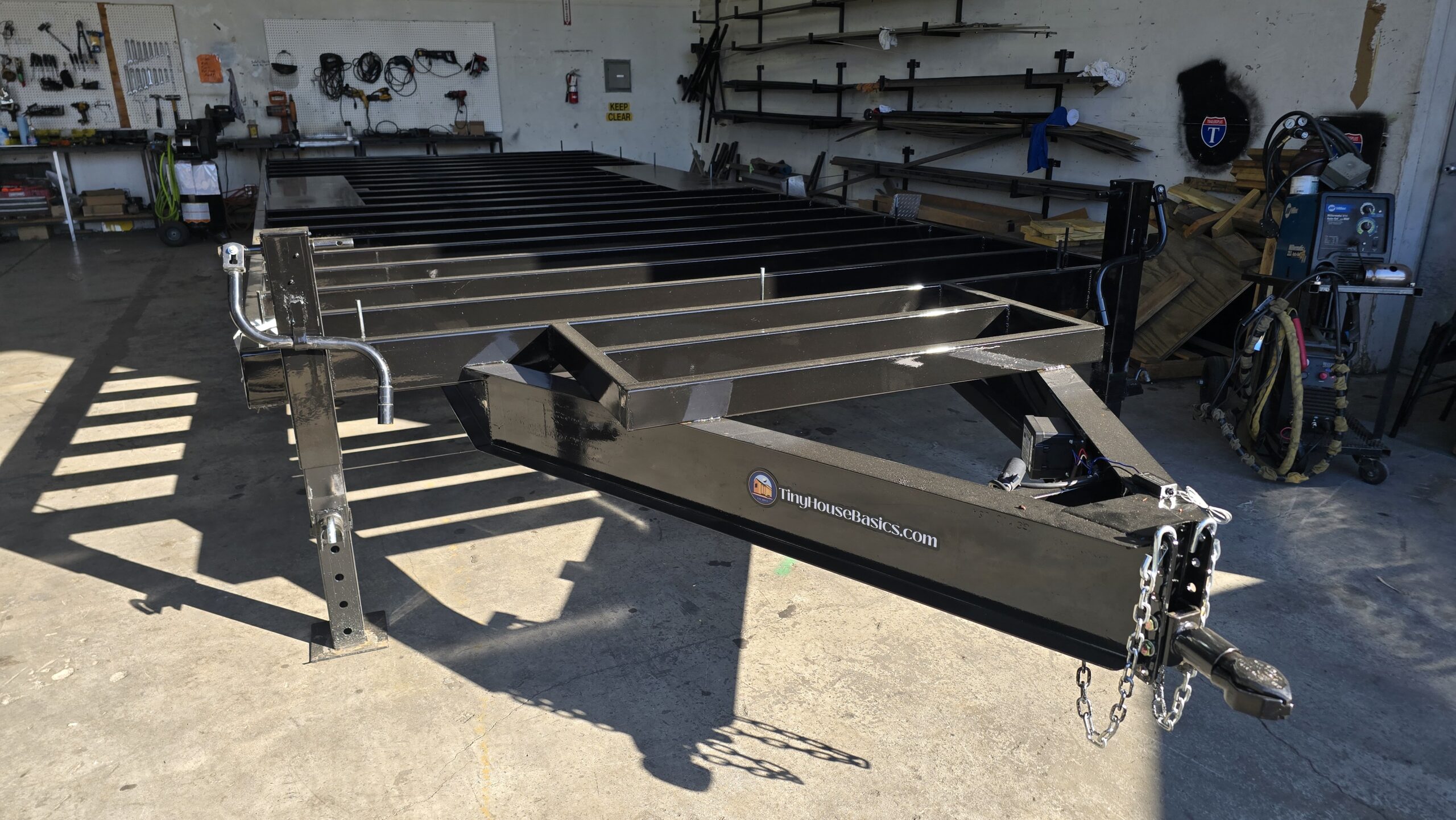
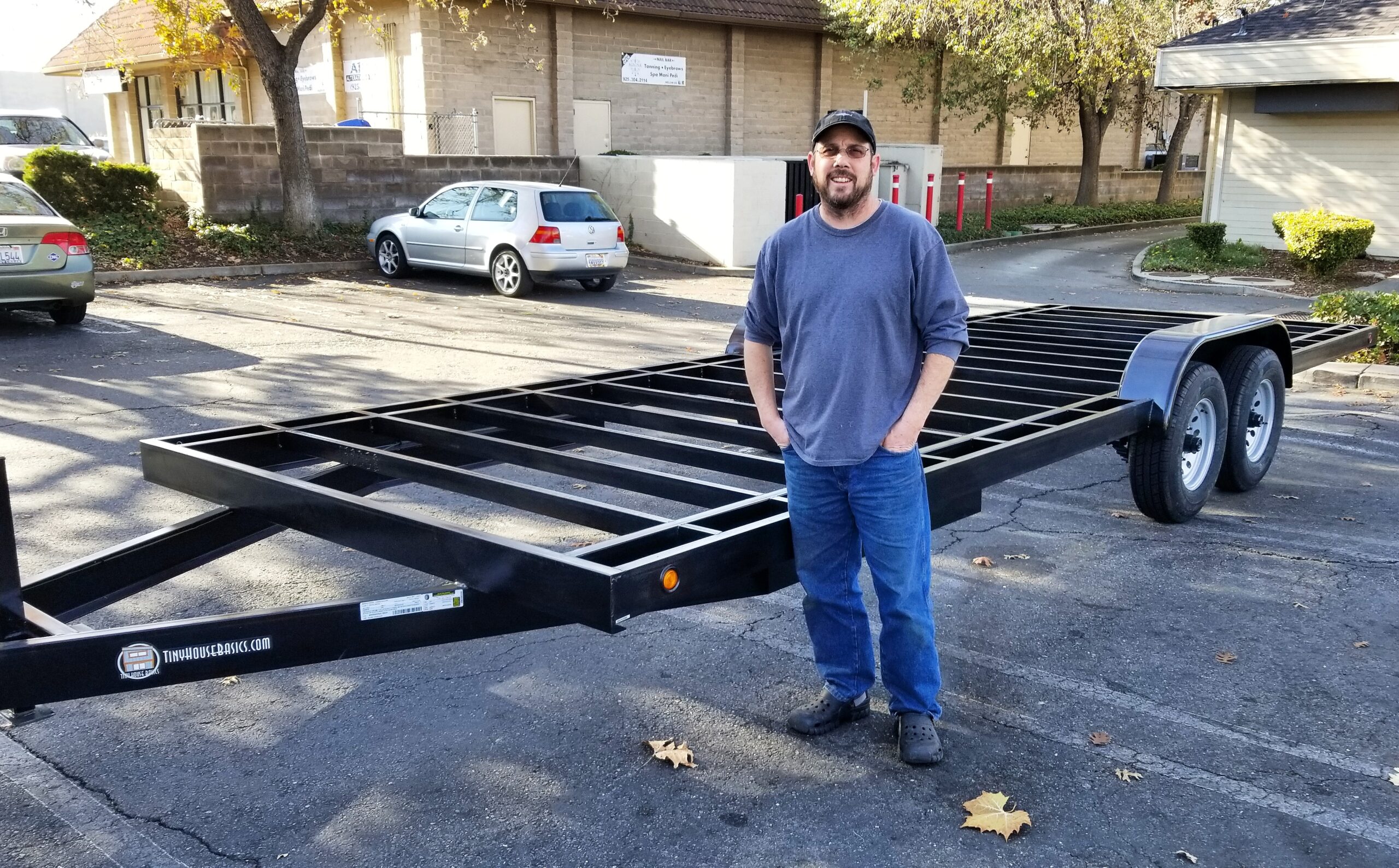
If there’s one thing I would encourage people not to cut corners on, it’s the tiny house trailer foundation.
And yes, we manufacture custom tiny house trailers at Tiny House Basics, so I’m certainly biased toward having a good foundation, But there’s a reason for that. Once you’ve built your tiny house on top of the trailer, you can’t realistically go back and replace it.
It’s the foundation of your entire home. We’ve seen people try to save money by using generic car haulers or inexpensive trailers that weren’t specifically designed for building a tiny house. The problem is that those initial savings can end up creating additional construction challenges. You might need to modify the trailer, work around structural components, or figure out how to properly attach and insulate your floor.
Some tiny house trailer designs also make it harder to manage moisture around the floor system, which can create problems down the road if the assembly isn’t designed and detailed properly. Also Know As: Avoid Flanges on the edges of any trailer you purchase, they commonly lead to mold issues. When you start with the proper purpose-built tiny house trailer, much of that work has already been considered.
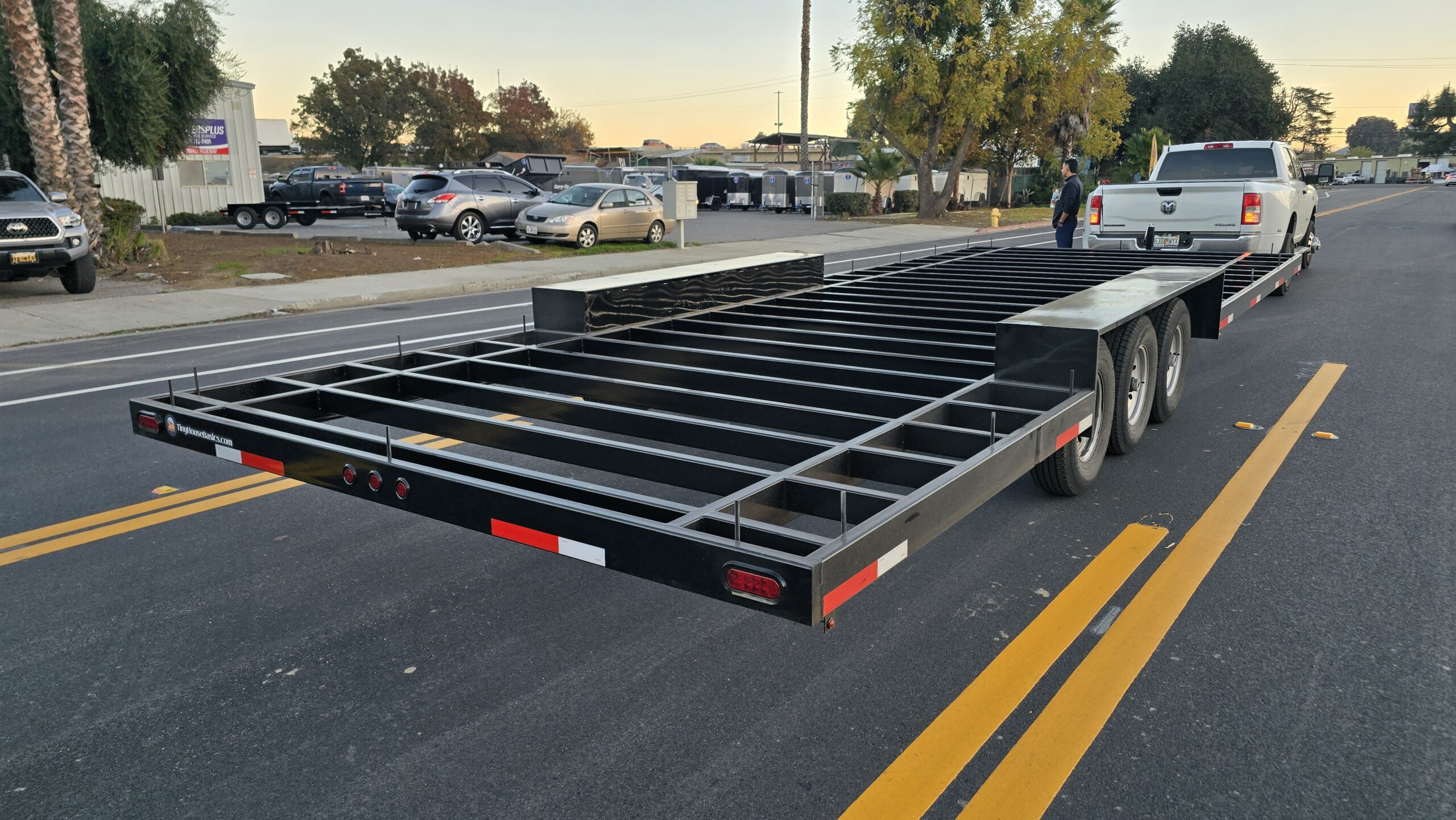
Our Tiny House Basics trailers are designed with features such as flush crossmembers and welded threaded rods that help simplify the construction process. You have a straight, substantial foundation with structural attachment points already incorporated. You’re not spending additional time trying to modify a trailer before you can even start building your house. And no need to build a wooden subfloor and drop it inside, you can use our trailer as the subfloor which saves time and materials and labor costs.
This also reduces complications, and makes the entire building process easier. In our opinion, spending a little more upfront on the proper foundation is one of the smartest decisions you can make.
Think Carefully About the Width of Your Tiny House
I encourage people to think about is the overall size of their tiny house. We regularly recommend that customers consider going 10 feet wide or wider. A lot of people initially assume they need to build within the traditional 8-foot-6-inch trailer width. But the reality is that most tiny houses aren’t moving around very often.I like to describe tiny houses as permanently temporary. They’re movable, but that doesn’t mean they’re constantly being relocated.
Going from 8 feet 6 inches wide to 10 feet wide gives you an additional 18 inches of interior planning width, and that can make an enormous difference in how your tiny house feels and functions. Of course, going wider requires additional considerations when it comes to transportation, including oversize-load permits. But if you aren’t planning on moving your tiny house frequently, it’s something I would strongly encourage you to consider. We’ve helped customers build tiny houses in a variety of widths, and I can’t recall anyone regretting going 10 feet wide or wider, they usually thank us for suggesting it so much..
And just like the trailer itself, the overall width of your home isn’t something you can change later. That’s why it’s important to think about these decisions before you start building.
Focus Your Budget on the Things You Can’t Easily Change Later
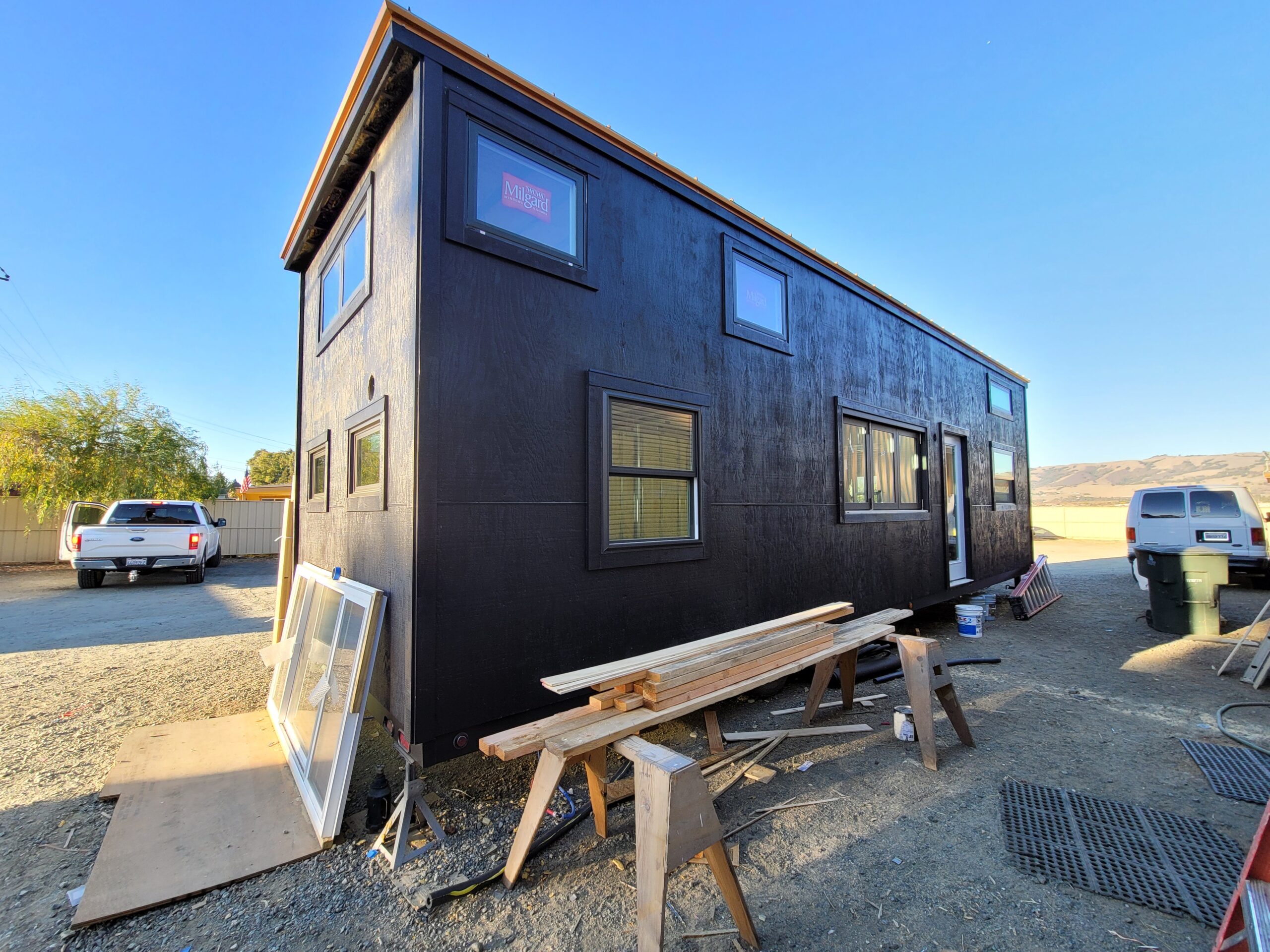
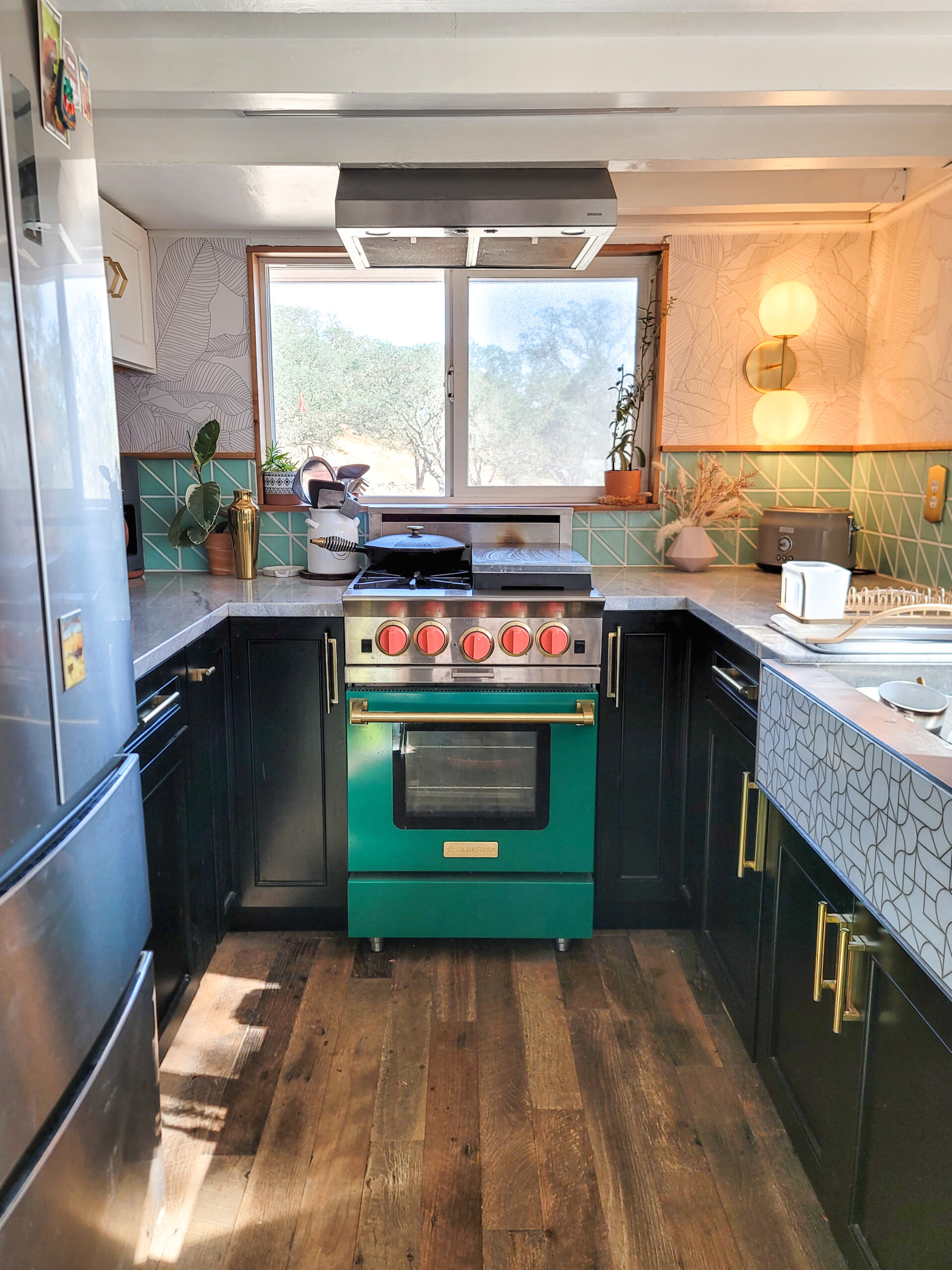
A big lessons we’ve learned from living in a tiny house for over 11 years is that your home doesn’t need to be completely finished with every expensive material you want on day one. We’ve made numerous changes to our own tiny house over the years. In 2017, we actually replaced the exterior siding because we weren’t happy with what we originally installed. We’ve also made changes to the interior, updated finishes, and continued remodeling our home as our needs evolved. That’s one of the things I love about building your own house. You can continue improving it over time as your taste and budget allows.
When you’re working with a limited budget, I think it’s smart to prioritize the things that are the most difficult to change later. For example:
– The length and width of your tiny house trailer
– The overall dimensions and structural design
– Your floor plan and major structural elements
– The size and placement of windows and doors
– Proper insulation and moisture management
– Essential plumbing, electrical, and mechanical systems
These are the areas where you should put some serious thought into your decisions. But there are plenty of things you can change down the road. You can start with inexpensive laminate flooring and replace it later. You can install affordable cabinets and upgrade them when your budget allows. You can repaint walls, replace trim, change light fixtures, or update finishes. You don’t have to compromise the overall structure of your home just because you can’t afford every finish you want right now.
Get the bones of the house right, make it comfortable and functional, and improve things as you go.That’s essentially what we’ve done with our own tiny house and still are doing!
Should You Get Your DIY Tiny House Certified?
I always recommend to DIY builders to get their tiny house certified through NOAH CERTIFICATION. When you’re building your own tiny house, especially if you don’t have extensive construction experience, having a third party review and inspect your work can be incredibly valuable. NOAH offers inspection and certification programs for tiny houses, including DIY builds. This gives you an additional layer of oversight throughout the construction process. Instead of simply assuming you’ve done everything correctly, you have an independent organization reviewing important aspects of your build through multiple inspections throughout the build process. For somebody taking on their first tiny house project, I think that can be a worthwhile investment. it can help provide additional accountability and peace of mind. When you’re investing a substantial amount of your own money and time into building a home, having that oversight can be especially helpful.
When Is the Best Time to Start Building a Tiny House?
When we decided to build our own tiny house back in 2014, we didn’t have every single detail figured out. But we committed to the project and started moving forward.Looking back, I’m incredibly glad we did. It’s always better Start sooner rather than later. If we had kept putting it off, waiting for the perfect time, or trying to figure out every last detail before starting, we might have been five or six years down the road and still talking about building a tiny house. Or we might never have done it at all. And there’s another reality worth considering. Construction costs have increased substantially since we first started building tiny houses. We’ve seen significant increases in materials, labor, equipment, and other construction-related expenses, particularly in the years following COVID. While individual material prices can fluctuate and sometimes come down (rarely), I wouldn’t count on waiting a few years to automatically make your project cheaper. That doesn’t mean you should rush into a build without having a plan or a realistic budget. But if you’re serious about building a tiny house, I encourage you to start taking steps toward making it happen. You don’t necessarily need to have every cabinet, fixture, or finish selected before you begin.
Start with a good design, a realistic budget, and the right foundation. You can figure out many of the smaller details as you move through the construction process.
Is Building a Tiny House Yourself Worth It?
After more than a decade of building tiny houses, helping customers with their projects, and living in our own tiny house still to this day, I absolutely believe building yourself is one of the best ways to make tiny house living more affordable. We’ve seen firsthand how a home that might cost well over $100,000 to have professionally built can be constructed for considerably less when you’re willing to take on the labor yourself. Our own tiny house is a perfect example. We built it in 2014, have lived in it ever since, and have continued improving and remodeling it over the years. And the money we saved by doing the construction ourselves made the entire project possible. But I also understand that not everybody has the time, physical ability, or experience to build an entire house from scratch.
That’s why I think it’s important to remember that DIY construction isn’t an all-or-nothing decision. You can build part of the house yourself, hire contractors for the more complicated aspects, or start with a professionally constructed shell. You have many options,My biggest recommendation is to focus on building a good-quality structure with the right foundation, be thoughtful about where you spend your money, and don’t feel like you need to purchase every expensive finish immediately. You can always upgrade flooring, cabinets, siding, and other finishes as your budget allows. But getting the foundation, dimensions, and overall structure right from the beginning will make your life a whole lot easier.
At Tiny House Basics, we’ve spent more than a decade helping people take that first step by providing custom tiny house trailer foundations, design assistance, and guidance throughout the building process.
There’s one thing our experience has taught us: you don’t have to be a professional builder to build a great tiny house. You just need a realistic plan, a willingness to learn, and the flexibility to approach the project in a way that makes sense for your budget and abilities. And don’t forget, we are here to help you along the way, as we offer lifetime consulting for all our tiny house trailer customers!